
Browse our vast collection of delicious wines.
You can either place your order online or visit us in-store and pick up your bottles directly.
Delivery in SE4, SE6, SE8, SE13, SE23, SE15, SE14.
Free delivery for orders above £30.
Outside these areas, please visit the shop.
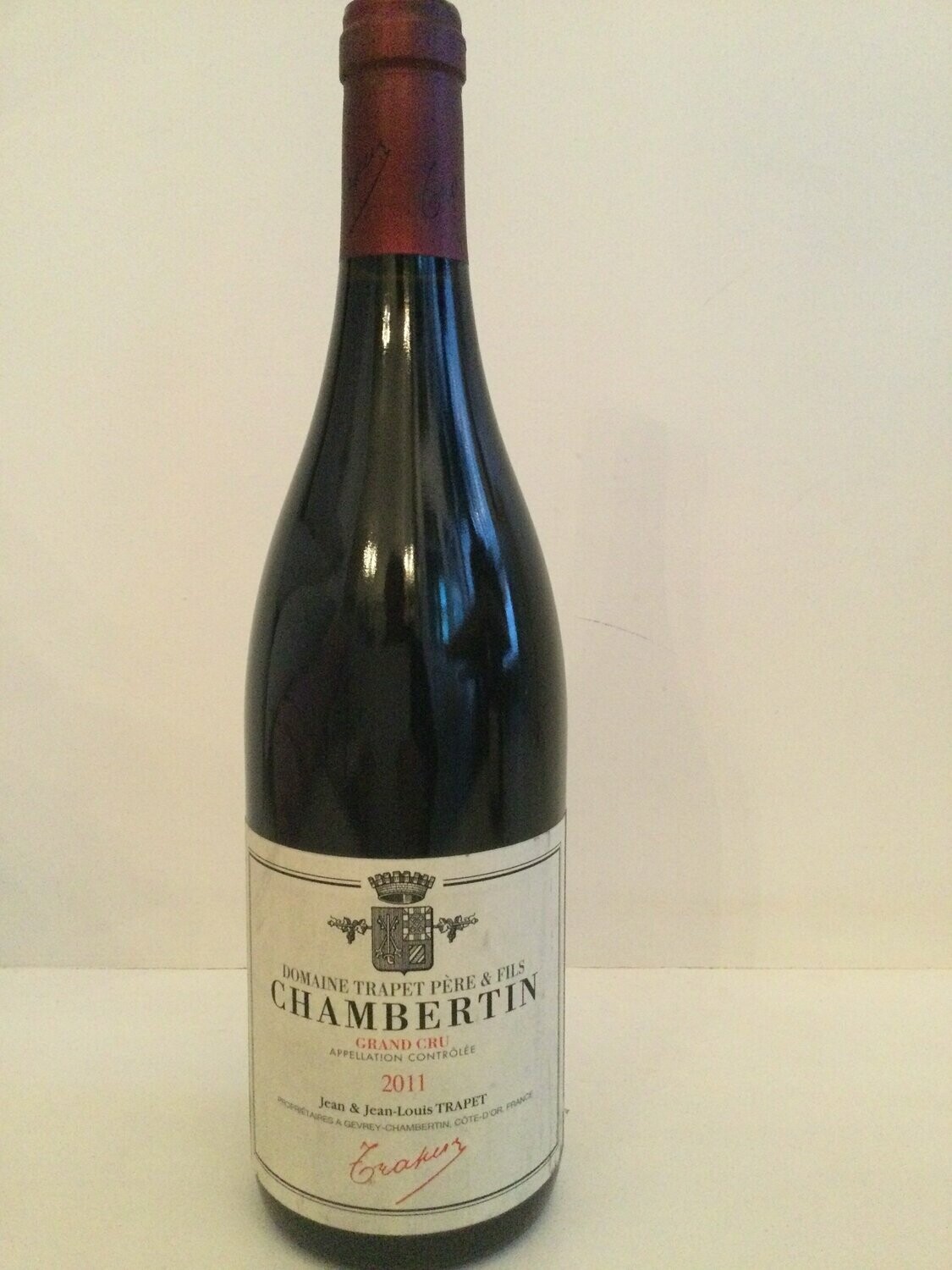
Chambertin Grand Cru 2011, Trapet, Burgundy Red, France (750ml)
Jean-Louis Trapet is a visionary frontrunner of biodynamic viticulture and one of the most dedicated biodynamic winemakers in Burgundy. The vineyards have been fully farmed under biodynamic principles since 1996 and have been certified biodynamic since 2009. Among the pioneers of natural viticulture in the region and they continue to lead the way in biodynamic farming.
Vineyard & Vinification Note: Organic sustainable farming Chambertin: 1 ha 90 ares, 3 parcels – oldest vine planted in 1919 This magnificent land, from which the blue blood of Pinot Noir flows, has a complex geological composition. The base consists of calcareous clay with superb internal large surface clay. The upper part is much whiter and clayish, which consequently slows down the vegetative cycle and confers a royal and rare equilibrium on this jewel of a wine ! This Chambertin wine opens up an infinite, unlimited, elusive universe of the richest kind When the harvest comes in, having already been sorted in the vineyard, it is hand-sorted once more then and de-stemmed to a degree, dependent on the vintage. Cold maceration of between 5 and 7 days encouraging greater depth of colour and more intense aromatics, without extracting too harsh tannins. Lightly crushed, there is then a long cuvaison, for more gentle extraction. Fermentation is carried out in open top vats, with natural yeasts. The wines are aged for 15 to 18 months in barrel, the proportion of new wood depending on the wine. The purpose of the oak, in the Trapets’ view, is to facilitate controlled oxidation of the young wines. The wines remain in cask for between 12 and 18 months before bottling. The wines are essentially neither fined nor filtered but this depends on the vintage. At any rate no more that 10% would ever be filtered.
